
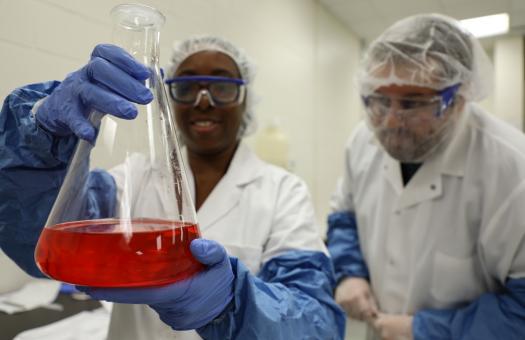
In a significant boost for the Research Triangle’s environmental tech sector, Durham-based startup AxNano announced this week that it has secured a strategic investment from California’s Leonid Capital Partners. This capital infusion is set to accelerate the development and deployment of AxNano’s proprietary technologies designed to destroy per- and polyfluoroalkyl substances (PFAS), commonly known as “forever chemicals.” As North Carolina grapples with high levels of these contaminants in its water systems—particularly near military installations and manufacturing hubs—this local innovation arrives at a critical juncture for the state’s public health and environmental safety.
The investment from Leonid Capital Partners, a firm known for supporting tech companies that provide national security and infrastructure solutions, marks a major milestone for AxNano. The economic impact on North Carolina is twofold: first, it cements Durham’s reputation as a global leader in AgTech and environmental remediation; second, it promises to create high-skilled jobs in chemistry and environmental engineering. Socially, the success of AxNano offers a beacon of hope for communities along the Cape Fear River and near bases like Fort Liberty, where PFAS contamination has been a persistent concern for decades.
By utilizing advanced chemical processes to break down the carbon-fluorine bonds that make PFAS so resilient, AxNano is moving beyond mere filtration to permanent destruction. This shift in strategy is vital as federal and state regulations on water safety continue to tighten. The funding will allow AxNano to scale its pilot programs into full-scale commercial applications, potentially saving North Carolina municipalities millions in long-term cleanup costs while protecting the health of its citizens.
In summary, the partnership between AxNano and Leonid Capital Partners represents a powerful convergence of venture capital and scientific breakthrough. As this Durham startup scales its “forever chemical” solutions, it reinforces North Carolina’s role as a vital laboratory for solving some of the world’s most pressing environmental challenges.
Source: GrepBeat, Feb 3, 2026.