
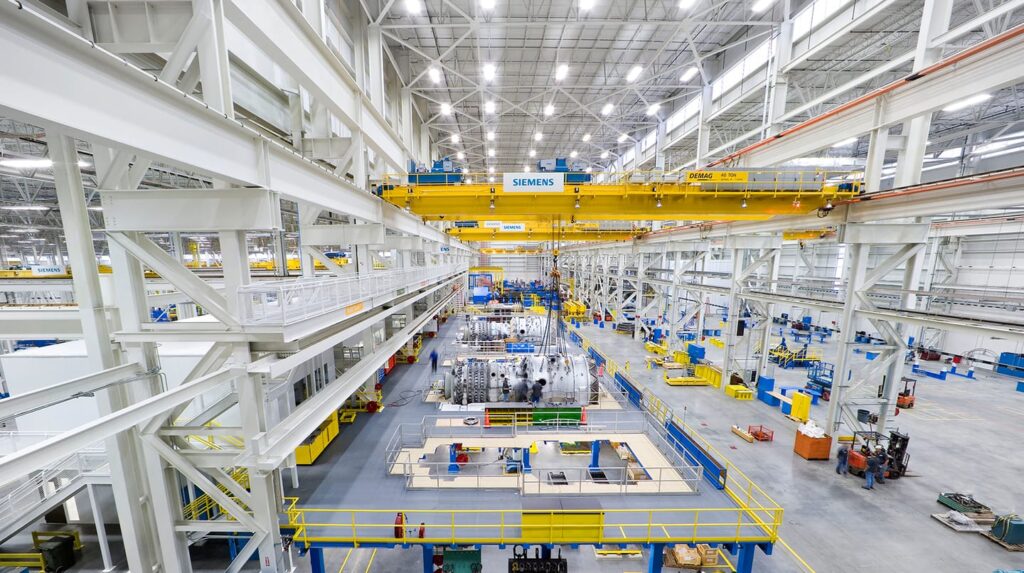
In a transformative move for the Tar Heel State’s industrial landscape, Siemens Energy officially unveiled a $421 million expansion plan this week targeting Charlotte and Raleigh. The initiative, announced in collaboration with state and local officials, aims to bolster the production of large power transformers—a critical component for the nation’s aging electrical grid. By establishing its first U.S. manufacturing site for these transformers in Charlotte and expanding R&D operations in Raleigh, the energy giant expects to create over 500 high-paying jobs, reinforcing North Carolina’s status as a premier hub for advanced manufacturing and clean energy technology.
The economic impact of this expansion is substantial. The project is supported by a Job Development Investment Grant (JDIG) which, over its 12-year term, is estimated to grow the state’s economy by $1.6 billion. Beyond the immediate payroll tax benefits, the move addresses a critical bottleneck in the U.S. energy transition. As the country shifts toward renewable energy and electric vehicles, the demand for grid infrastructure has skyrocketed. Siemens’ decision to localize transformer production in Mecklenburg County not only secures the domestic supply chain but also attracts a specialized workforce to the region, stimulating growth in local trade schools and engineering programs.
Furthermore, this investment underscores the successful “Carolina Core” strategy of blending urban innovation with manufacturing muscle. With average wages for the new positions expected to exceed the current county averages, the project promises to elevate the standard of living for hundreds of families while solidifying the Raleigh-Charlotte corridor as a global leader in grid modernization.
In summary, Siemens Energy’s $421 million commitment is more than just a corporate expansion; it is a strategic pillar for North Carolina’s economic future, ensuring the state remains at the forefront of the global energy revolution while providing high-quality, sustainable careers for its citizens.
Source: The Charlotte Observer, Feb 3, 2024 (Updated Feb 4, 2026).